
REVIEW · ASPENDOS THEATRE & PERGE RUIN RUNS
Perge, Aspendos & city of Side Full-Day Tour from Antalya
Ancient ruins, plus a waterfall break. This full-day route strings together Perge, Aspendos, and Side, then cools you off at Kurşunlu Waterfall on the Aksu River tributary. I like how the day connects Hellenistic-era power plays to places you can still walk through today.
Two things I especially like: you get to see Aspendos Theater, widely considered one of antiquity’s best-preserved theaters, and you also get a real change of pace with a lunch stop and a scenic waterfall finish. The group size is also limited to 14, so you’re less lost in the crowd.
The main drawback to consider is time. You’re covering a lot in 9 hours, so you won’t have hours to linger at every corner, especially at Side and the waterfall if you like long photo breaks.
Key tour highlights worth your attention
- Aspendos Theater in remarkably solid condition, built between 161 and 180 AD
- Perge’s Hellenistic Gate area and ruins tied to Artemis and Alexander’s era
- Side’s harbor setting, with major trade history and a strong seafront walk
- Kurşunlu Waterfall as your cooling-off stop on the Aksu River tributary
- Small group of up to 14, keeping the pacing more personal
Same ruins, different running order
- Antalya: Perge, Aspendos, City of Side, and Waterfalls Tour★ 4.8 · 691 reviews
- Ancient Perge, Aspendos Amphitheater and City of Side Tour★ 5.0 · 644 reviews
- Perge Aspendos Side and Manavgat Waterfall Tour★ 5.0 · 470 reviews
- Perge, Aspendos, Side and Waterfall Full Day Tour★ 5.0 · 343 reviews
A full-day route that actually makes sense
This is a classic “big hitters” day trip out of Antalya. You’re not bouncing randomly between ruins, you’re following the same broad historical arc across the region, where Greeks, Persians, and then Alexander’s armies all left their mark. It’s the kind of day that works best when you’re excited to keep moving, take in a lot of details, and learn the stories behind what you’re seeing.
You’ll also like the structure. Hotel pickup and drop-off are built in, so you skip the logistics headache of coordinating separate taxi rides. And with an English-speaking guide, the sights feel less like leftover stones and more like a connected timeline.
Getting to the ruins from central Antalya (and what it means for your day)
The tour includes hotel pickup and drop-off from central Antalya hotels. That matters because it saves you time and stress at the start of the day, which is huge when you only have 9 hours total. Pickup is not available from Belek, Alanya, Manavgat, Side, or Kemer, so if you’re staying outside central Antalya, check your location first.
Transportation is part of the value here. Entrance fees are not included, but the ride between sites, the guide’s time, and the lunch are. In practical terms, that usually means you’ll spend less energy negotiating multiple rides and more energy actually enjoying the day.
The tour also keeps the group to 14 participants, which tends to make a difference at crowded stops like ancient city entrances. You can still hear the guide and get oriented, instead of playing “where did my group go?”
Perge: from the Hellenistic Gate to Artemis stories
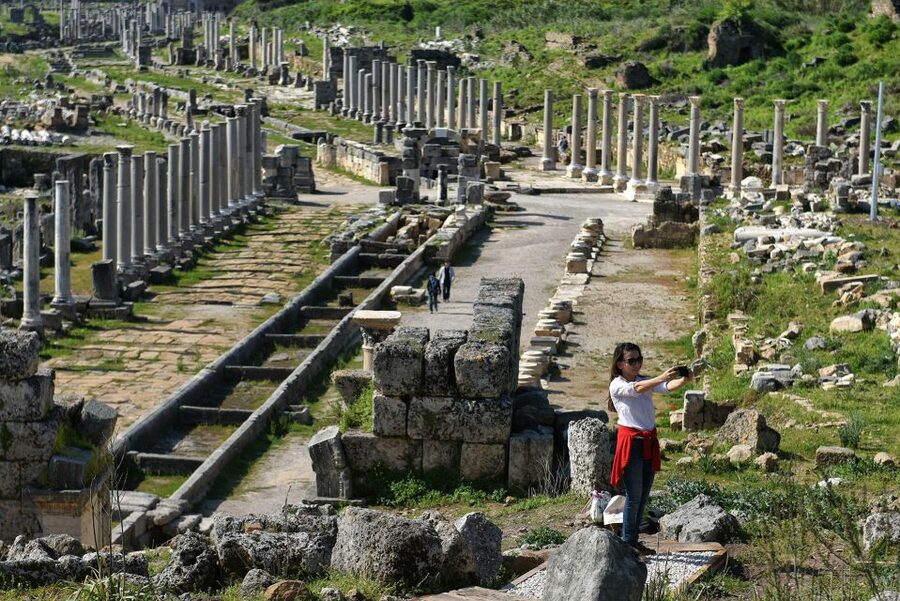
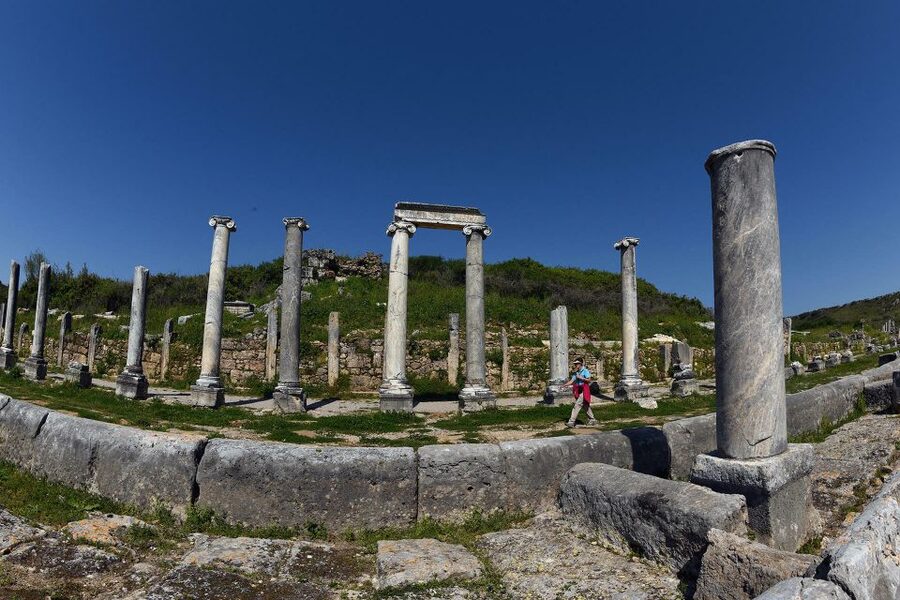
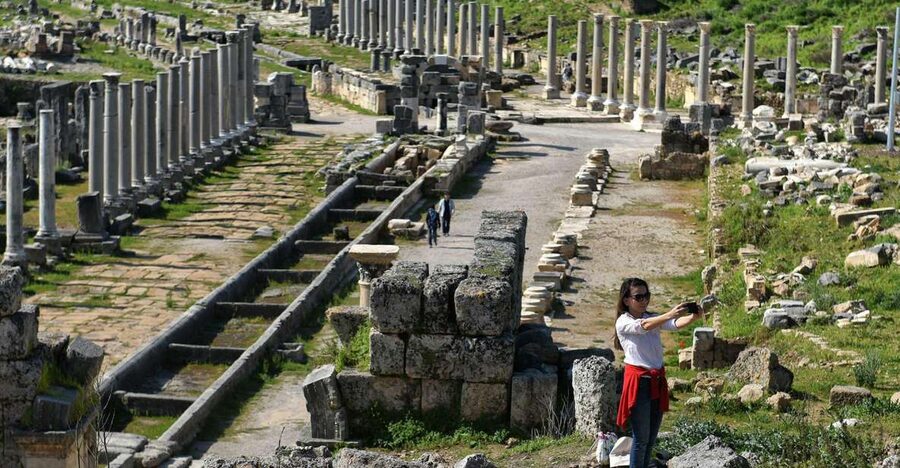
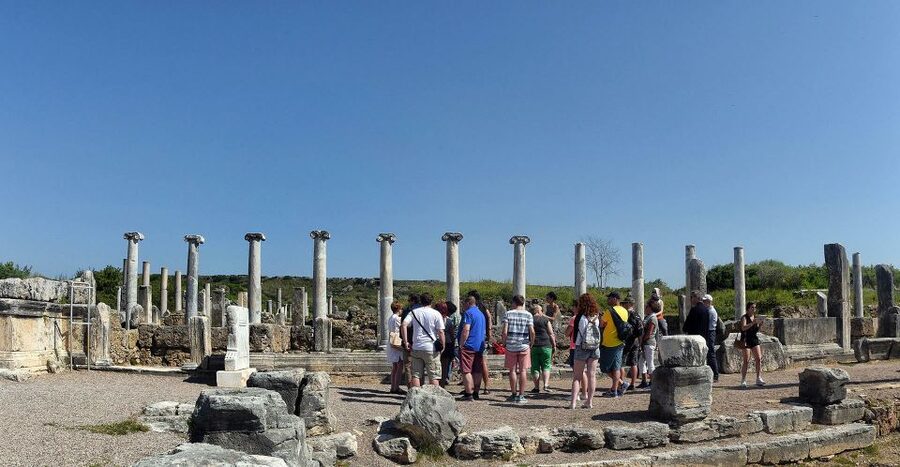
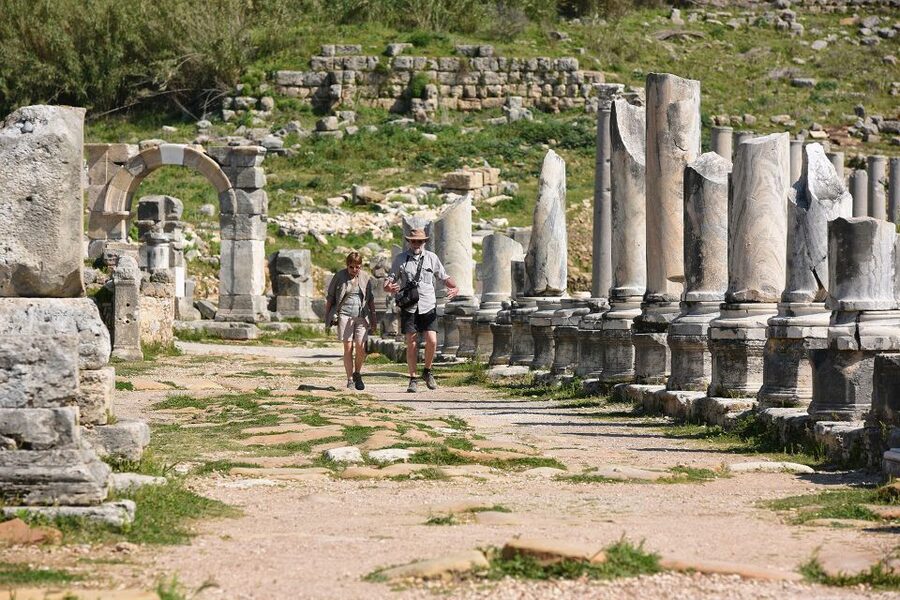
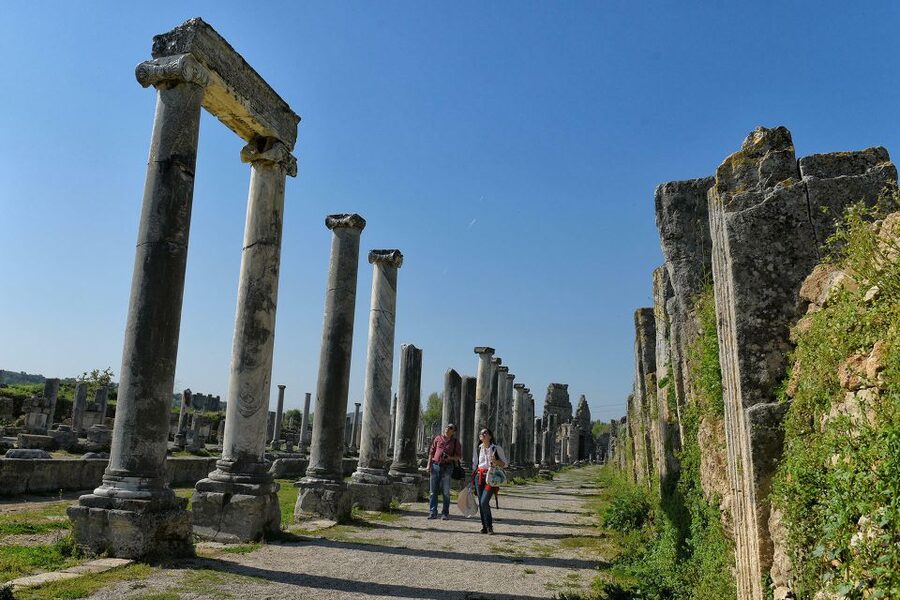
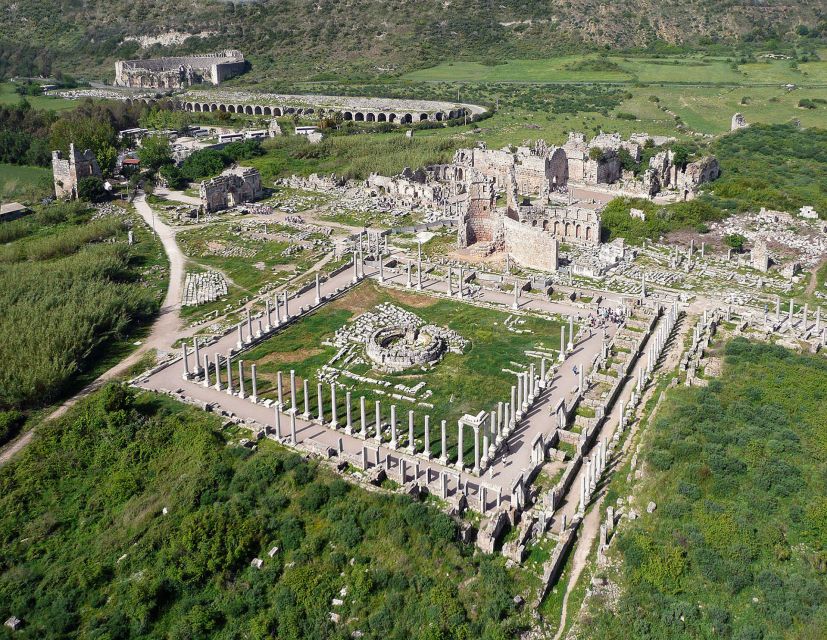
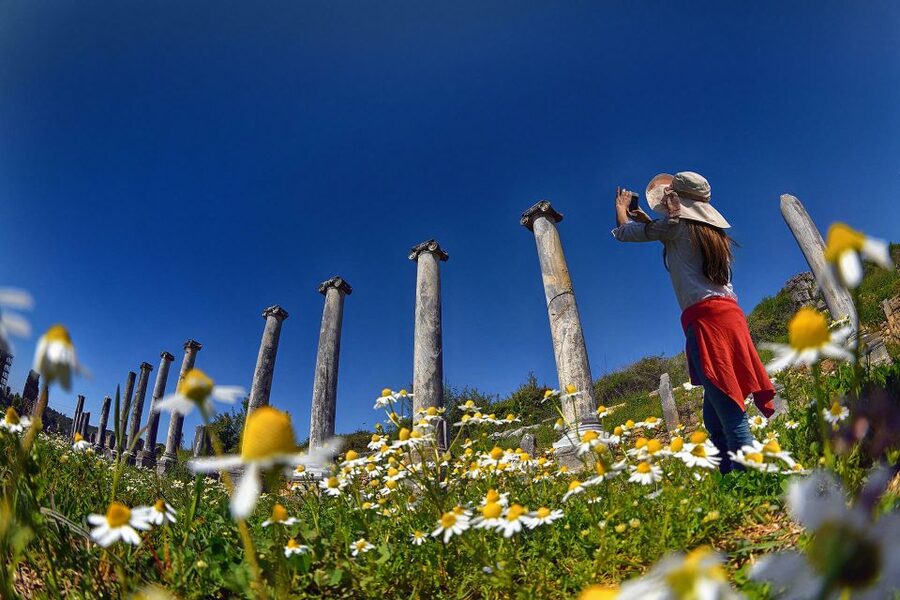
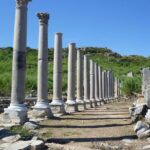
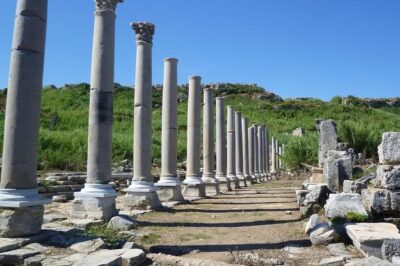
Perge is about 9 miles east of modern Antalya, and it’s one of those ruins that rewards attention to street layouts and building forms. In the Hellenistic period, Perge was the capital of Pamphylia, and the city ranked among the big four of the era: Perge, Aspendos, Side, and Sillion. You’ll get a sense of why people cared about this place, not just because it’s old, but because it was significant in trade and regional power.
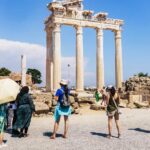
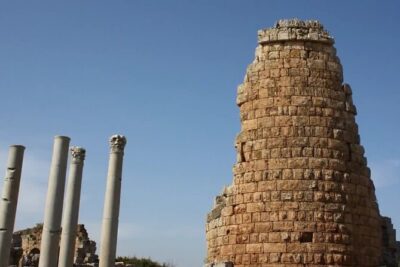
One specific thing to look for is the Hellenistic Gate. Even if you’re not a “stand and read every stone” type, gates like this help you understand how entrances controlled movement, visibility, and access. It’s the kind of feature that makes the ruins feel structured instead of random.
Perge is also closely tied to the Temple of Artemis, so expect that goddess-centric thread in the commentary. The city’s story also spans Greek and later Roman influence, with Persian conquest in 546 BC, then Alexander the Great’s armies entering about 200 years later. The guide context helps you see the layered culture instead of treating the site as one single era.
A practical tip from the road: in ruined city areas, small sales pitches can appear near busy walkways. Keep your eyes on the guide and your own route, and you’ll avoid getting sidetracked.
Side and the Manavgat river, done other ways


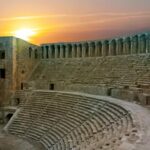

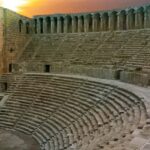
Aspendos Theater: one of antiquity’s best-preserved stages
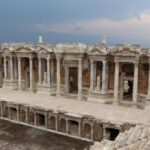
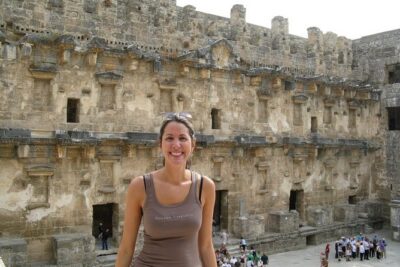
If you want one “wow” moment, make it Aspendos Theater. The theater dates to 161 to 180 AD, during the reign of Marcus Aurelius, and it’s often praised for how well it has survived compared to other ancient theaters. In a day full of ruins, it’s the stop that most clearly feels like a still-functioning stage, even though you’re watching history, not performances.
What makes it special for you is the scale and the clarity. Many ancient sites are fragmentary, so you have to work harder to picture the whole. Aspendos Theater is different, and that changes the experience. You can stand in the viewing area, look toward the stage space, and understand how an audience would have seen the action.
Plan your photo timing here too. The theater area can get busy, and you’ll appreciate having a quick plan for getting your best angles without rushing. Also, because the day moves from Perge to Aspendos and then on to lunch and Side, this stop is the one where you’ll feel the most payoff for being present.
Side: harbor beauty, trade power, and a walk you’ll remember
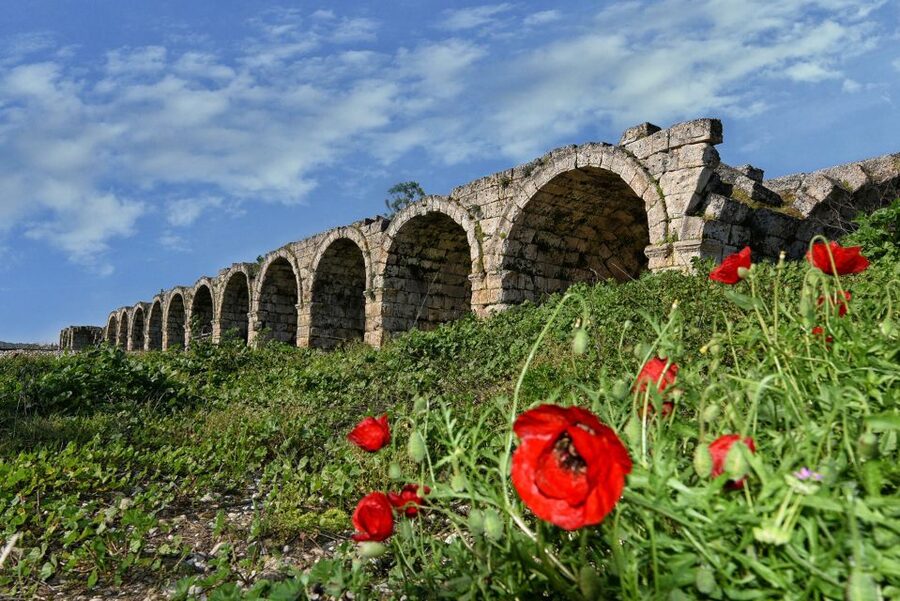
Side is the dramatic finish of the “ancient city” part of the day. The reason it mattered is still visible in its harbor setting and the way the town developed around seafaring and commerce. In Pamphylia, Side was known for trade, including olive oil and other goods. That made it important, and it also made it a target for repeated invasions.
The story in your guide’s hands matters here. You’ll hear about Greek control, then Persian influence, and then Alexander the Great’s armies in 333 BC. After that, the city slowly declines, with major disruption and natural disasters over time, and by the 10th century it was abandoned. Walking the ruins with that timeline in mind makes the decline feel less abstract and more like the natural ending of a place that lost its strategic importance.
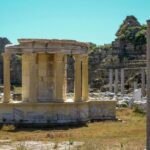
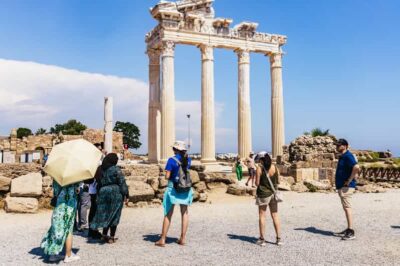
You may also see the Temple of Apollo as you walk near the harbor. In practical terms, this is where the views help. Even if you’re tired after the earlier sites, the seafront walk tends to wake you up again.
One caution: the Side portion can feel a bit brisk if you like long pauses. If you’re the type who wants to sketch, linger, or hunt down every small detail, you’ll need to prioritize what matters most to you, because the schedule is tight.
Lunch along the route, and how to make it work with a packed day
Lunch is included. That’s not a tiny benefit, because with ruins in hot weather, hunger can knock you off your game fast. The lunch is part of how the tour manages a 9-hour day without turning it into constant sightseeing.
That said, lunch is still a lunch. Some meals will hit the spot, others will feel like a practical pause rather than a destination. If you have specific dietary needs, you might want to plan ahead, since drinks are not included and the type of meal isn’t described in detail.
Hydration matters here too. Since drinks are not included, it’s smart to plan for water and any other basics you like to carry or purchase during the day. The longer you’re outside, the more your “I’ll be fine” attitude turns into “I’m thirsty now.”
Kurşunlu Waterfall: your earned cool-down on the Aksu tributary
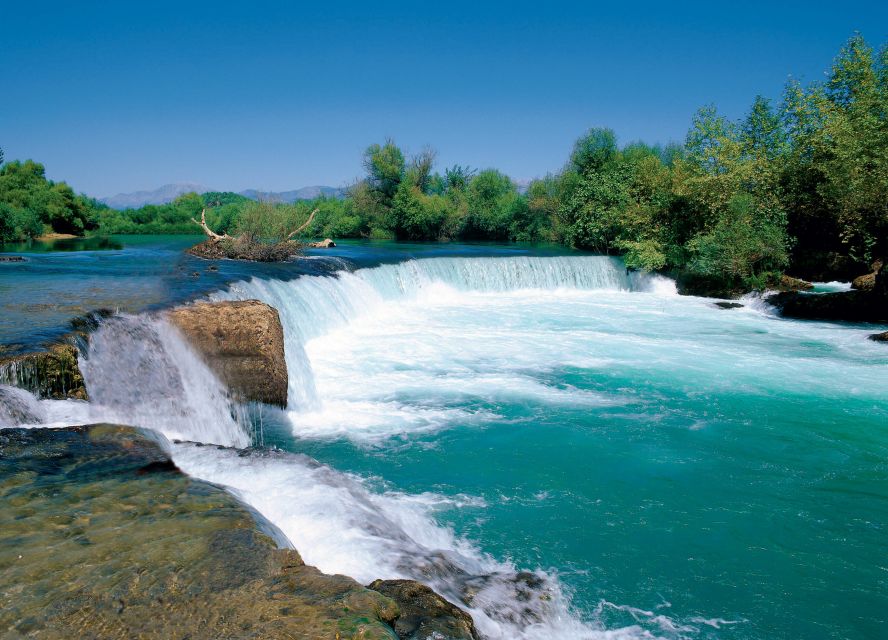
Then comes the break that makes the whole day feel balanced: Kurşunlu Waterfall. This stop is on one of the tributaries of the Aksu River, and it’s your chance to reset after stone-heavy ruins. The waterfall area gives your legs a different kind of movement than walking through ancient city streets.
This is also the stop where you can switch from “history mode” to “nature mode.” You’re not reading inscriptions, you’re enjoying the sound, the shade potential, and the simple fact that water makes things feel fresher.
One practical note: you’ll likely want comfortable shoes here, not just for the waterfall path, but because you’ll have walked plenty already by the time you get there. Comfortable footwear is one of the few pieces of advice that never goes out of style on this kind of itinerary.
Price and logistics: why $53 can be a good deal
At $53 per person for a 9-hour tour, the value comes from what’s wrapped into the price: hotel pickup and drop-off (central Antalya), an English-speaking guide, lunch, and access to major sites like Perge, Aspendos, Side, and Kurşunlu Waterfall.
Entrance fees are not included, and drinks are also not included, so you should expect extra spending at the sites and for hydration. Still, when you add up a full day of guided transport plus multiple stops, the bundled approach often beats cobbling together taxis one by one.
You’re also paying for time and context. Solo travel to these places can be doable, but it takes planning. On a guided route, you can get oriented faster and focus on what you actually want to see: Aspendos Theater for the big visual payoff, Perge for street-and-temple scale, and Side for harbor atmosphere.
Skip-the-line handling is another small but meaningful perk. It reduces the waiting moments that can eat into sightseeing time on a long day.
Who this tour fits best (and who should rethink it)
This tour is a good match if you want a structured day of major historical sights without juggling transport. The small group size helps, and the English guide approach means you’ll get interpretation, not just directions.
It also fits well if you enjoy variety. You get ancient ruins in three settings, then nature at a waterfall. That rhythm keeps the day from becoming one long “just ruins” blur.
It is not suitable for people with mobility impairments. The walking across uneven ground in ancient ruins and natural waterfall areas can be difficult, and the tour data is clear on that limitation.
My take: the best way to enjoy this day
If you do book, I’d treat this tour like a highlights reel, not a slow museum visit. Bring your best energy for Aspendos Theater, because it’s the stop where preservation makes the biggest difference. At Perge and Side, pick a few key spots to anchor your attention, like the Temple of Artemis area and the Temple of Apollo viewpoint, instead of trying to absorb everything at once.
Also, pack like it’s a sunny Mediterranean day. Bring sunglasses and a sun hat, wear comfortable shoes, and plan to keep your ID or passport handy since it’s listed as required. If you’re prone to heat fatigue, slow down your pace during transitions between sites and let the guide’s storytelling set the rhythm.
Finally, remember that this is a 9-hour format. If you know you get cranky when days run on schedule, you might feel rushed at Side and at the waterfall. On the other hand, if you like “see a lot, learn a lot, move on,” the pace is part of the appeal.
Should you book the Perge, Aspendos, and Side full-day tour from Antalya?
Yes, this is worth booking if you want an efficient, well-supported day that hits the region’s top archaeology and still includes a proper natural reset at Kurşunlu Waterfall. The price makes sense for what you get, especially with pickup in central Antalya, an English guide, and lunch included.
Don’t book if you need long, unhurried time at each site, or if mobility limitations are an issue. Also, if you’re the type who hates optional costs, plan for entrance fees and drinks since both are not included.
If you want a single day that combines Greece and Rome era ruins with Alexander-era context, plus a waterfall finish, this one does the job.
FAQ
How long is the tour?
The tour runs for about 9 hours.
Where does pickup happen?
Pickup and drop-off are included from hotels in central Antalya. Pickup is not available from Belek, Alanya, Manavgat, Side, or Kemer.
What’s included in the price?
Hotel pickup and drop-off from central Antalya hotels, an English-speaking guide, and lunch are included.
Are entrance fees included?
No. Entrance fees are not included.
Are drinks included with lunch?
No. Drinks are not included.
How big is the group?
The tour is limited to a small group of up to 14 participants.
Is there a skip-the-ticket-line benefit?
Yes. The tour includes an option to skip the ticket line.
What should I bring?
Bring a passport or ID card, comfortable shoes, sunglasses, and a sun hat.
More Tour Reviews in Antalya





Side and the River, Keep Going

Perge, Aspendos, Once More
Just Landed on the Antalya Coast

Aspendos Theatre & Perge Ruin Runs, compared.
 ★ 4.8Perge, Aspendos, City of Side, and Waterfalls TourFrom $37691 reviews
 ★ 5.0Ancient Perge, Aspendos Amphitheater and City of Side TourFrom $42644 reviews
 ★ 5.0Perge Aspendos Side and Manavgat Waterfall TourFrom $72470 reviews
Perge, Aspendos, Side and Waterfall Full Day TourFrom $81343 reviews
★ 5.0Perge Aspendos Side and Manavgat Waterfall TourFrom $72470 reviews
Perge, Aspendos, Side and Waterfall Full Day TourFrom $81343 reviews
 ★ 5.0Antalya Excursion to Perge, Aspendos, side, Manavgat waterfallFrom $90291 reviews
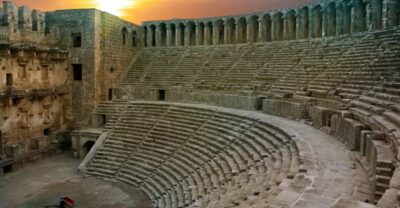 ★ 4.7Day Tour of Ancient Roman SitesFrom $89278 reviews
 ★ 5.0Hiking in Termessos Ancient CityFrom $62152 reviews
 ★ 4.6Fire of Anatolia Dance Show at Ancient Aspendos TheaterFrom $56131 reviews
Where else this one turns up